
WIC Mid-Winter Meeting 2024: Generative AI in Information Technology
Reflecting on our presentation at the WIC Mid-Winter Meeting 2024 in Eindhoven, where we explored the transformative impact of generative AI in information technology contexts.
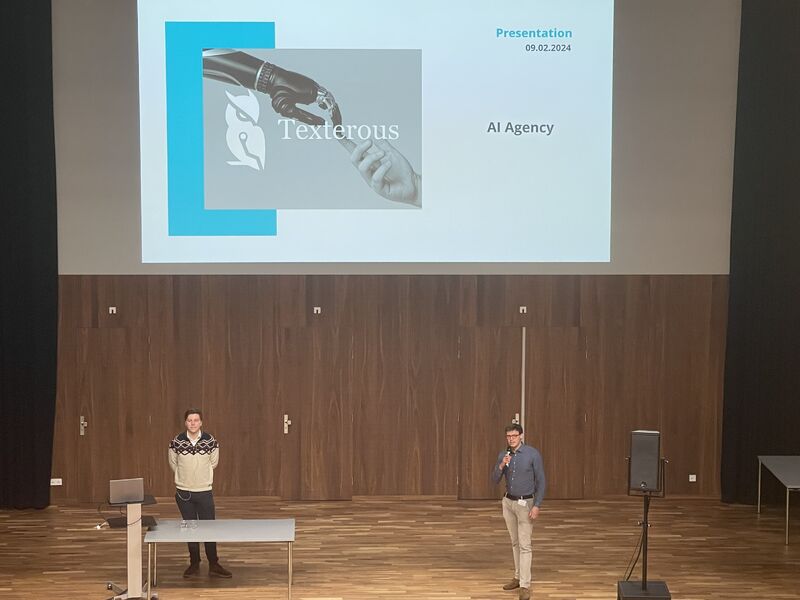
WIC Mid-Winter Meeting 2024: Generative AI in Information Technology
It was a great pleasure for us to be invited to speak at the WIC Mid-Winter Meeting 2024 in the theme of "Generative AI in an information technology context" in Eindhoven last Friday.
WIC Mid-Winter Meeting 2024 Presentation
A Gathering of IT Minds
The WIC (Women in ICT) Mid-Winter Meeting represents one of the most important gatherings for information technology professionals in the Netherlands. This year's focus on generative AI couldn't have been more timely, as organizations across all sectors grapple with the transformative potential of this revolutionary technology.
Eindhoven, with its rich history of technological innovation and its status as a leading tech hub, provided the perfect backdrop for discussions about the future of AI in information technology. The energy in the room was palpable as industry leaders, researchers, and practitioners came together to share insights and explore the possibilities that generative AI presents.
The Current Landscape of Generative AI in IT
Beyond the Hype: Real-World Applications
During our presentation, we focused on moving beyond the initial excitement surrounding generative AI to examine its practical applications in information technology contexts. While the technology has captured headlines with consumer applications like ChatGPT and image generators, its impact on enterprise IT operations is equally profound and far-reaching.
Code Generation and Development: Generative AI is revolutionizing software development by:
- Automating routine coding tasks and boilerplate generation
- Assisting with debugging and code optimization
- Generating documentation and technical specifications
- Enabling rapid prototyping and concept validation
Infrastructure and Operations: IT operations are being transformed through:
- Automated system monitoring and anomaly detection
- Intelligent resource allocation and scaling decisions
- Predictive maintenance and failure prevention
- Enhanced cybersecurity threat detection and response
Data Management and Analytics: The technology is enhancing data capabilities by:
- Generating synthetic data for testing and development
- Automating data cleaning and preparation processes
- Creating intelligent data pipelines and ETL workflows
- Enabling natural language interfaces for data exploration
Key Insights Shared at the Conference
1. The Integration Challenge
One of the central themes of our presentation was the challenge of integrating generative AI into existing IT infrastructure. Organizations must consider:
Legacy System Compatibility: How to incorporate AI capabilities without disrupting critical business operations.
Data Governance: Ensuring that AI systems comply with existing data protection and privacy regulations.
Security Considerations: Addressing new security vectors introduced by AI systems while maintaining robust cybersecurity postures.
Skill Development: Preparing IT teams for the new skills required to work effectively with AI-powered tools and systems.
2. The Human-AI Collaboration Model
Rather than replacement, we emphasized the importance of viewing generative AI as a collaborative partner for IT professionals:
Augmented Decision Making: AI provides data-driven insights while humans provide contextual understanding and strategic direction.
Enhanced Productivity: Automation of routine tasks allows IT professionals to focus on higher-value strategic initiatives.
Continuous Learning: AI systems learn from human expertise while humans develop new skills working alongside intelligent systems.
Quality Assurance: Human oversight remains crucial for ensuring AI outputs meet organizational standards and requirements.
3. Practical Implementation Strategies
We shared concrete strategies for organizations beginning their generative AI journey:
Start Small, Scale Smart: Begin with pilot projects in non-critical areas to build confidence and expertise.
Focus on Value: Prioritize use cases that deliver clear business value and measurable improvements.
Invest in Training: Ensure teams have the knowledge and skills needed to work effectively with AI tools.
Build Governance Frameworks: Establish clear policies and procedures for AI use, ensuring ethical and responsible implementation.
Industry Perspectives and Discussions
Collaborative Learning Environment
The conference format encouraged active participation and knowledge sharing among attendees. Key discussion topics included:
Real-World Case Studies: Participants shared their experiences implementing generative AI solutions, providing valuable insights into both successes and challenges.
Regulatory Considerations: Discussions about emerging AI regulations and their implications for IT departments and technology implementations.
Cost-Benefit Analysis: Practical approaches to measuring ROI and justifying AI investments to organizational leadership.
Future Trends: Speculation about upcoming developments in generative AI and their potential impact on IT operations.
Networking and Community Building
Beyond the formal presentations, the event provided invaluable networking opportunities. The IT community in the Netherlands is known for its collaborative spirit, and this gathering reinforced the importance of knowledge sharing and mutual support as organizations navigate the AI transformation.
The Eindhoven Innovation Ecosystem
A Hub for Technology Excellence
Eindhoven's selection as the venue was particularly meaningful, given the city's reputation as a center for technological innovation. Home to major technology companies, research institutions, and a thriving startup ecosystem, Eindhoven embodies the kind of collaborative environment where AI innovation flourishes.
The city's focus on high-tech systems and its strong connections between industry and academia create an ideal environment for exploring the practical applications of generative AI in enterprise contexts.
Regional Impact and Collaboration
The meeting highlighted the importance of regional collaboration in advancing AI adoption. The Netherlands' compact geography and strong technology sector create unique opportunities for cross-industry learning and collaboration.
Looking Forward: The Future of AI in IT
Emerging Trends and Opportunities
Based on our discussions at the conference, several key trends are shaping the future of generative AI in information technology:
Multimodal AI Systems: The integration of text, image, voice, and data processing capabilities into unified AI platforms.
Edge AI Deployment: Moving AI processing closer to data sources for improved performance and reduced latency.
Automated DevOps: AI-powered automation of the entire software development and deployment lifecycle.
Intelligent Infrastructure: Self-managing IT infrastructure that can optimize performance and prevent issues autonomously.
Challenges and Considerations
While the opportunities are exciting, the conference also highlighted important challenges:
Ethical AI Implementation: Ensuring AI systems operate fairly and transparently, without perpetuating biases or creating unintended consequences.
Skills Gap Management: Addressing the growing need for AI-literate IT professionals while supporting current team members through the transition.
Integration Complexity: Managing the technical challenges of incorporating AI into complex, multi-vendor IT environments.
Regulatory Compliance: Staying ahead of evolving regulations and ensuring AI implementations meet emerging compliance requirements.
Key Takeaways for IT Leaders
Strategic Recommendations
Based on our presentation and the subsequent discussions, we identified several key recommendations for IT leaders:
1. Develop an AI Strategy: Create a comprehensive plan that aligns AI initiatives with business objectives and organizational capabilities.
2. Invest in Education: Provide ongoing training and development opportunities to help teams adapt to AI-enhanced workflows.
3. Foster Innovation Culture: Encourage experimentation and learning, creating safe spaces for teams to explore AI applications.
4. Build Strategic Partnerships: Collaborate with AI vendors, research institutions, and other organizations to accelerate learning and implementation.
5. Prioritize Ethics and Governance: Establish clear guidelines for responsible AI use and ensure compliance with emerging regulations.
Practical Next Steps
For organizations ready to begin their generative AI journey:
Conduct AI Readiness Assessment: Evaluate current capabilities, infrastructure, and organizational readiness for AI implementation.
Identify High-Impact Use Cases: Focus on applications that can deliver clear value while minimizing risk and complexity.
Establish Pilot Programs: Start with small-scale implementations to build expertise and demonstrate value.
Create Cross-Functional Teams: Bring together IT, business, and data professionals to ensure holistic approach to AI implementation.
The Power of Community and Collaboration
Knowledge Sharing as a Catalyst
The WIC Mid-Winter Meeting exemplified the power of community-driven knowledge sharing. By bringing together diverse perspectives and experiences, the event created opportunities for accelerated learning and innovation.
The discussions reinforced our belief that the most successful AI implementations emerge from collaborative efforts that combine technical expertise with practical business understanding.
Building for the Future
As we left Eindhoven, we were energized by the enthusiasm and commitment of the IT community to embrace generative AI thoughtfully and responsibly. The conversations and connections made at the conference will undoubtedly contribute to more successful AI implementations across the region.
Conclusion: A Transformative Moment
The WIC Mid-Winter Meeting 2024 represented more than just a conference-it was a milestone moment in the Dutch IT community's journey toward AI-enhanced operations. The quality of discussions, the depth of expertise represented, and the commitment to responsible innovation all point toward a bright future for generative AI in information technology.
As we continue to explore the possibilities of this transformative technology, events like the WIC Mid-Winter Meeting serve as crucial forums for sharing knowledge, building relationships, and shaping the future of IT in an AI-powered world.
We're grateful for the opportunity to have contributed to this important conversation and look forward to continued collaboration with the vibrant Dutch IT community as we all navigate the exciting possibilities that generative AI presents.
The journey is just beginning, and with the kind of thoughtful, collaborative approach demonstrated at this gathering, we're confident that the future of AI in information technology will be both innovative and responsible.